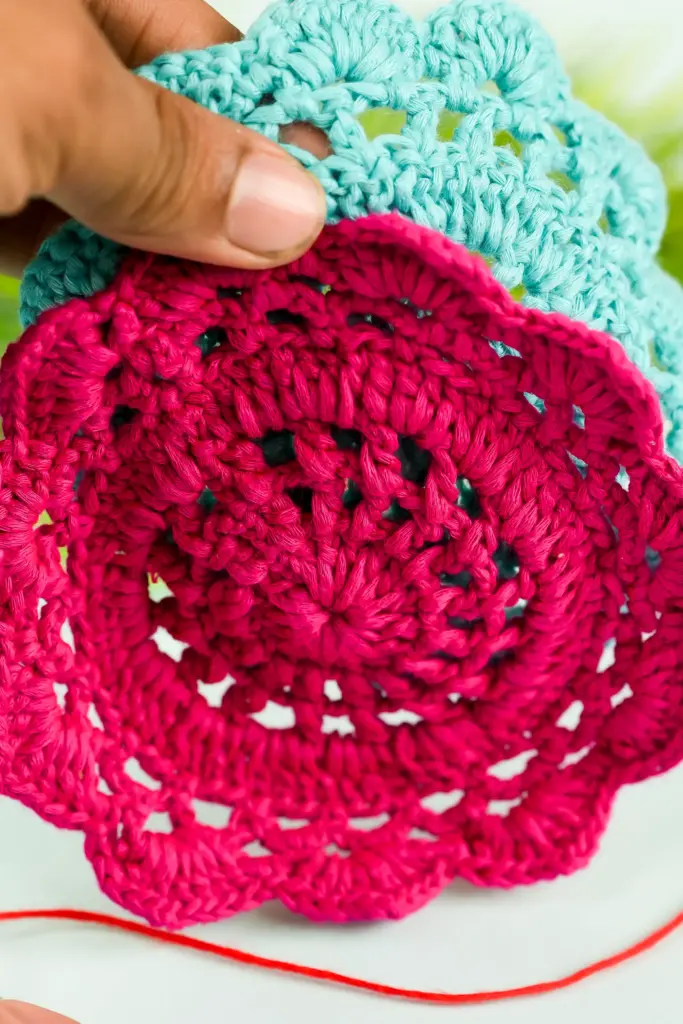

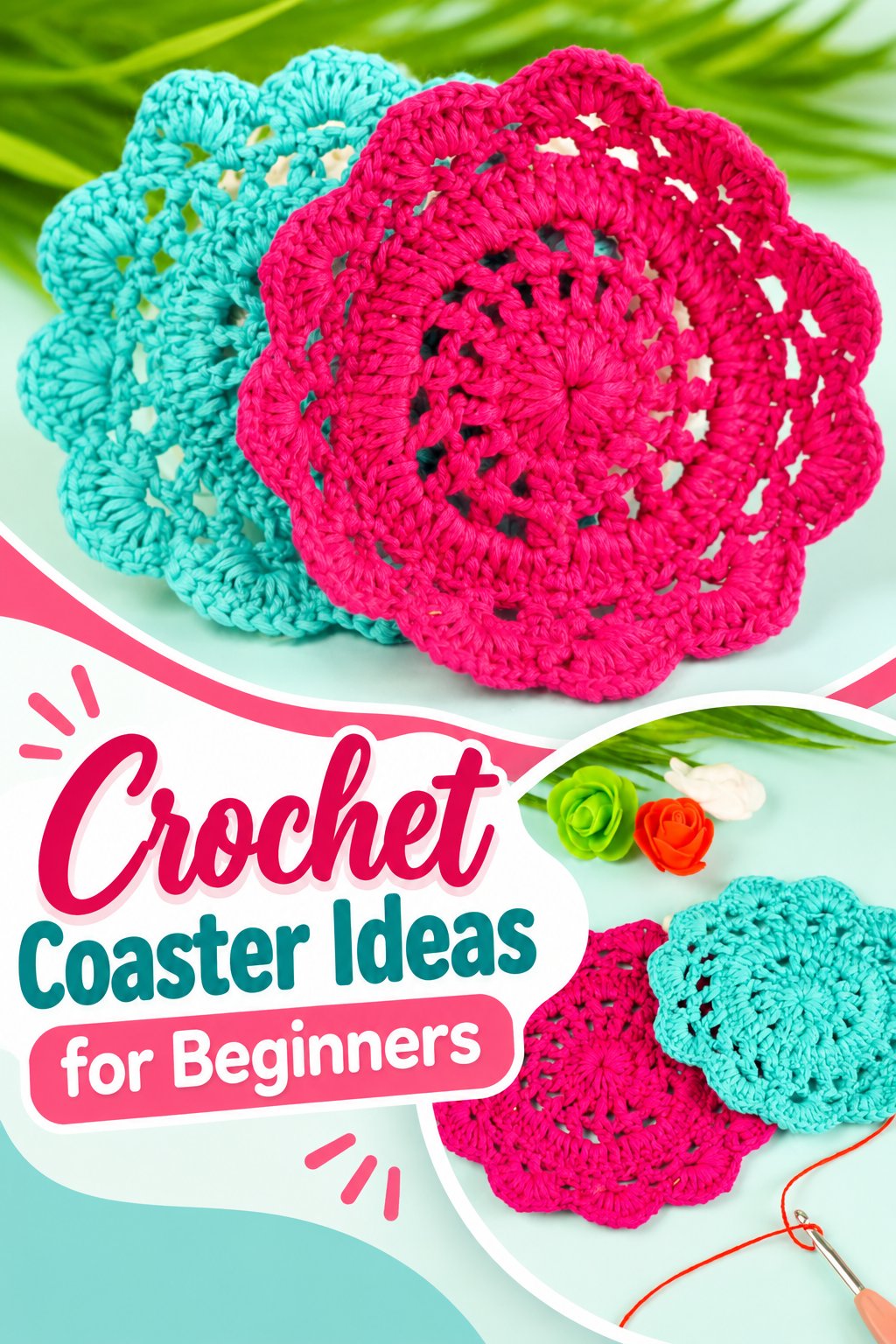
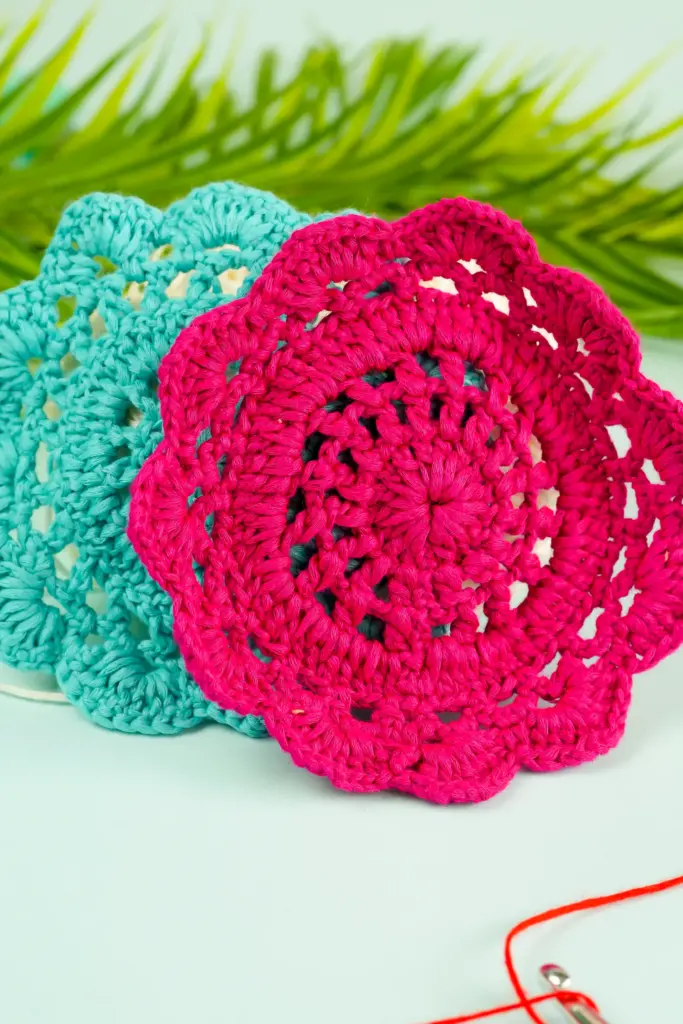
Crochet coasters are incredibly approachable projects, especially for those exploring Crochet Coaster Ideas for Beginners. They work up quickly, require only a small amount of yarn, and give crafters plenty of room to experiment with textures, shapes, and decorative edges. Whether your style leans toward soft, minimalist pieces or eye-catching designs with more detail, coasters offer endless ways to build confidence while making something practical for everyday use. By following the simple flow of constructing a small center and gradually expanding outward, anyone can turn basic stitches into beautiful, functional home décor.
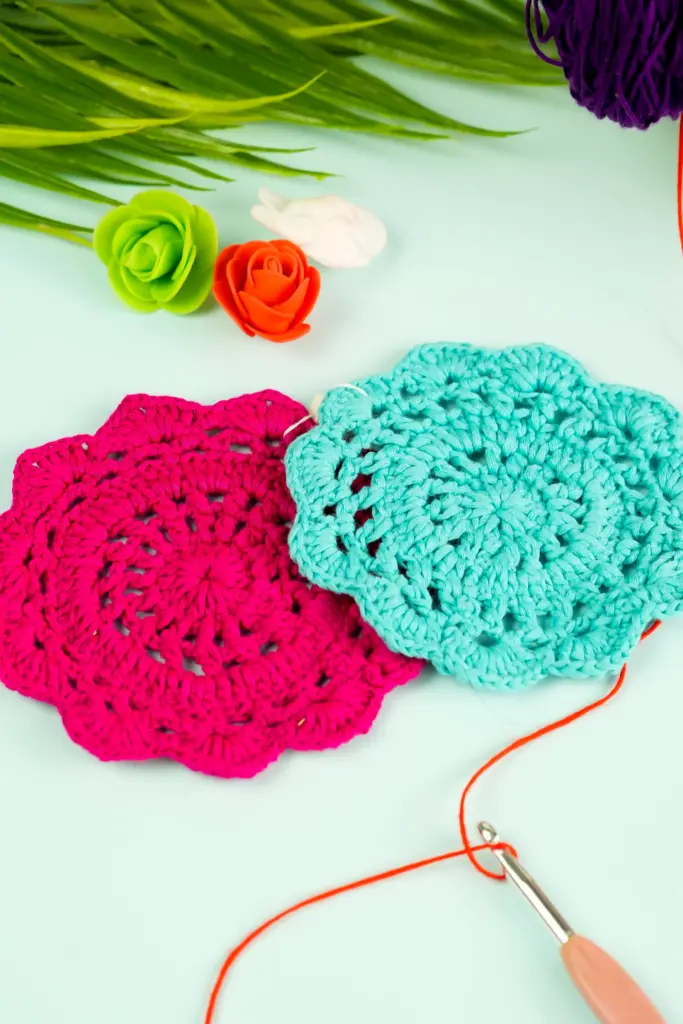
Materials Needed
The following materials reflect what is commonly used for simple, durable crochet coasters and align with the items demonstrated in the video transcript:
-
Double-knit weight yarn in your preferred color
-
A standard 4 mm crochet hook
-
Scissors for trimming yarn
-
A darning needle for securing ends
-
Optional markers for keeping track of your starting point
These tools help keep the coaster lightweight yet sturdy, producing a smooth finish with minimal bulk.
Abbreviations
All terminology is in US terms. Below are the most relevant abbreviations for this project:
-
MR – adjustable ring
-
DC – double crochet
-
TR – treble crochet
-
SL ST – slip stitch
-
CH – chain
-
REP – repeat
-
SP – space
Only the stitches required for common coaster structures are included here, keeping the list beginner-friendly and easy to reference.
Starting the Center Foundation
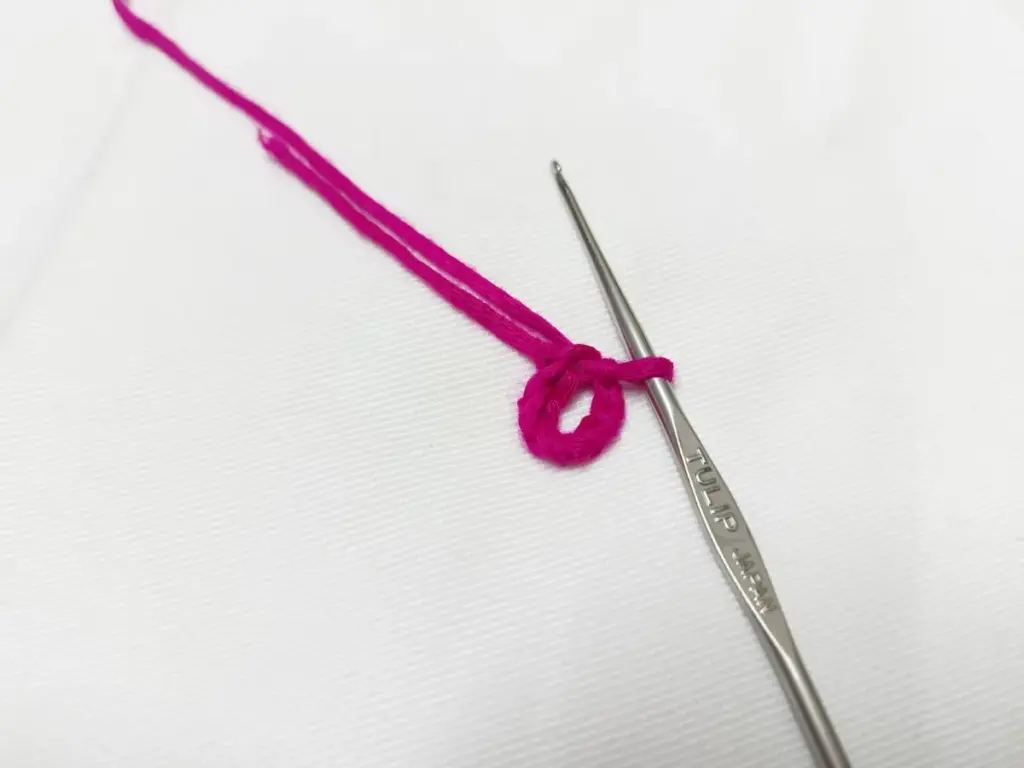
Every coaster begins with a small foundation that forms the base of the design. Most circular coasters start with an adjustable center, allowing you to work outward while keeping the middle neat and closed. This starting point stabilizes the shaping, prevents gaps, and creates a secure anchor for all later rows. Beginners often appreciate this method because it provides a clean, uniform look that lays flat without curling.
Building the First Expansion Layer
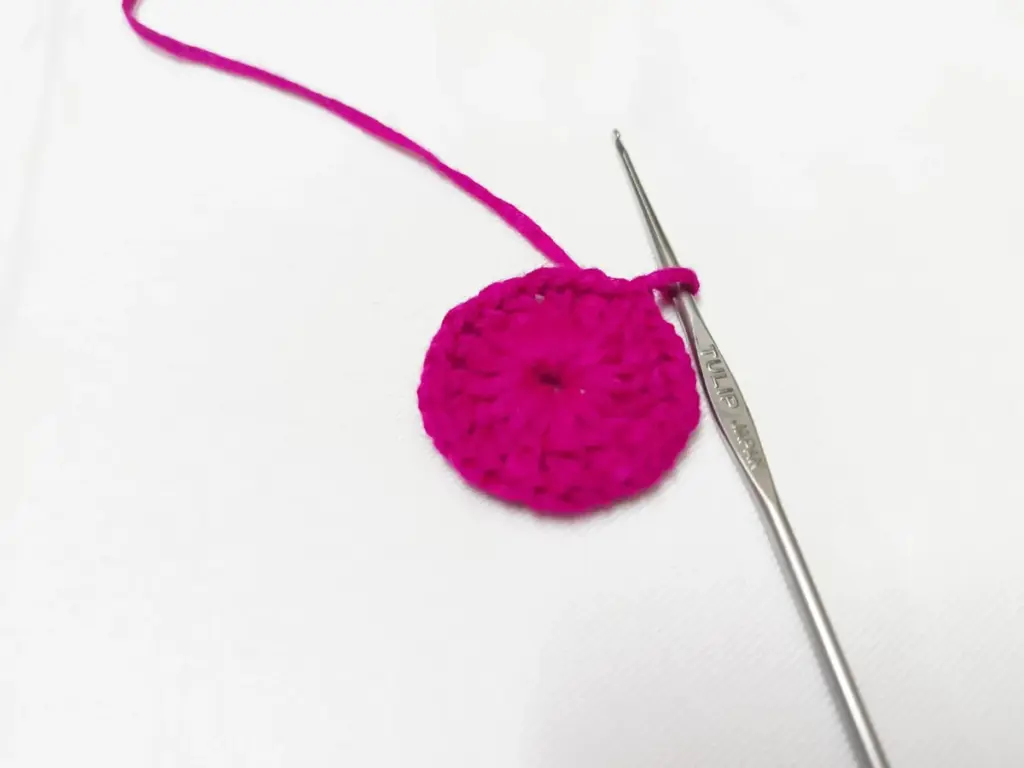
Once the center is complete, the next stage typically involves expanding the circle using evenly spaced stitches. This gentle increase is what determines the overall size and structure of the coaster. At this point, the project begins to take on its recognizable form. The focus is on keeping tension consistent so that the base grows smoothly without waves or puckering. Many designs maintain the same type of stitch throughout this stage to keep things simple and rhythmic for beginners.
Creating Structured Segments
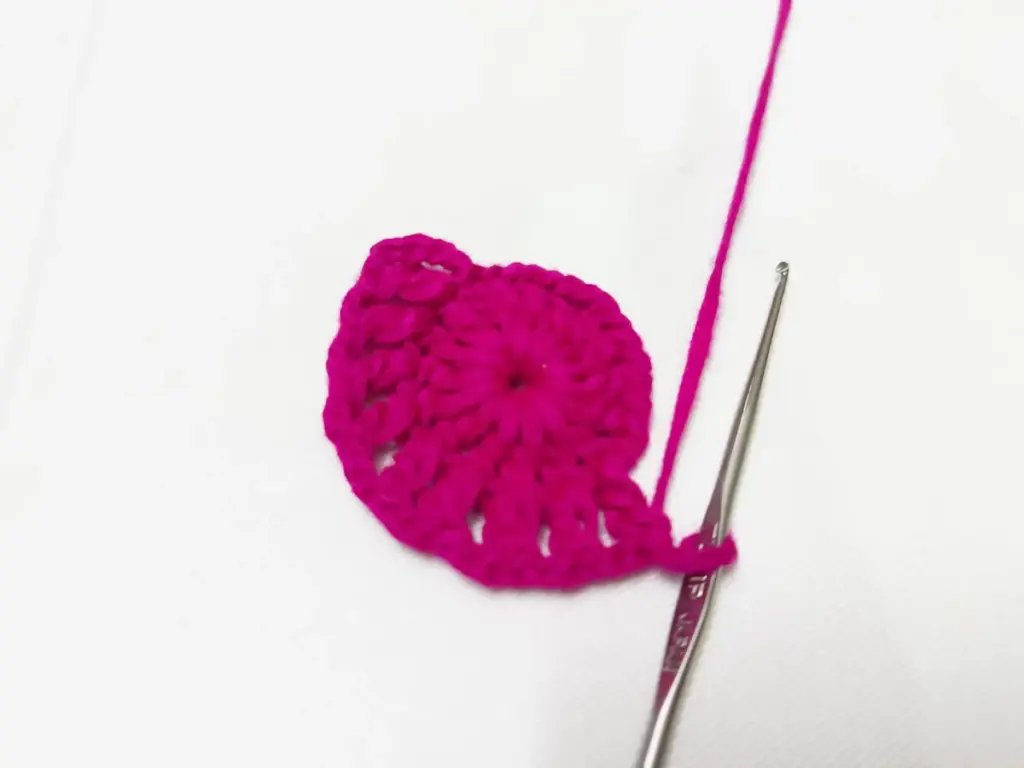
After forming the first layer, many coaster patterns shift toward creating visible sections or grouped textures. These subtle changes can define the shape and add interest without complicating the process. By forming clusters or pairs of stitches in consistent intervals, the coaster gains both structure and durability. This is also the point where new crocheters begin understanding how spacing and repetition naturally control shaping in round projects.
Adding Decorative Texture
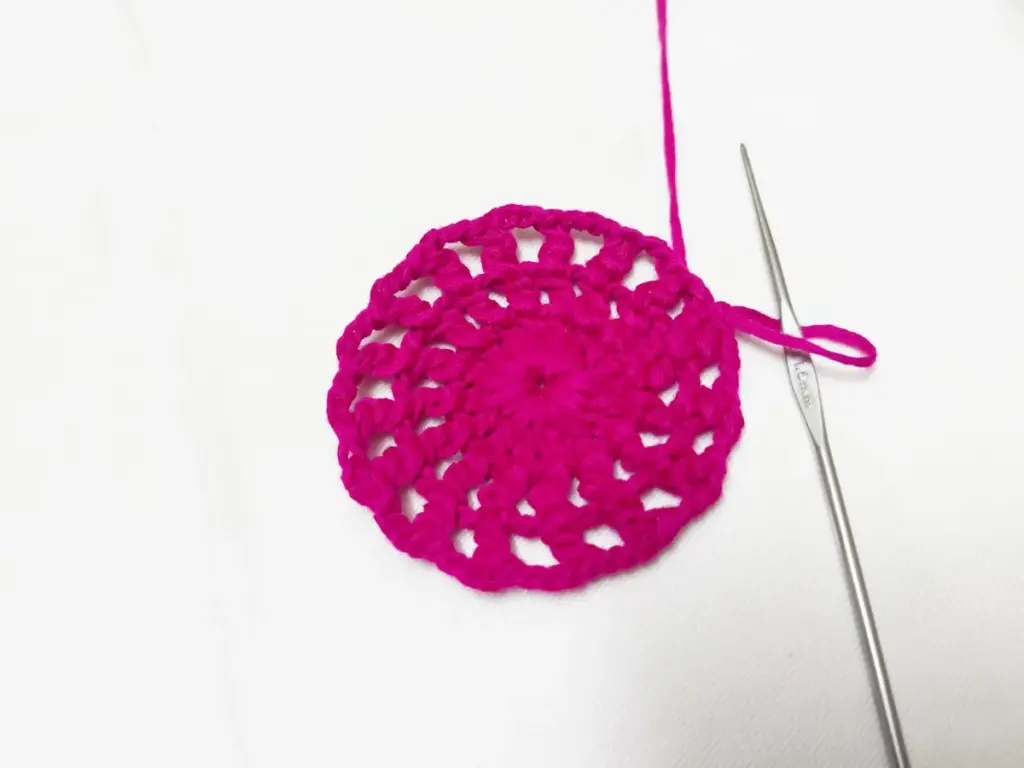
The addition of texture is where coasters become visually unique. Instead of keeping the surface completely flat, many crafters incorporate arrangements that create gentle ridges or raised elements. These features help the coaster stand out while remaining fully functional. The goal is to introduce variation without making the pattern overwhelming for beginners. The transcript’s approach—building texture through grouped stitches—mirrors many common coaster styles that provide elegance without complexity.
Forming Openwork or Lattice Effects
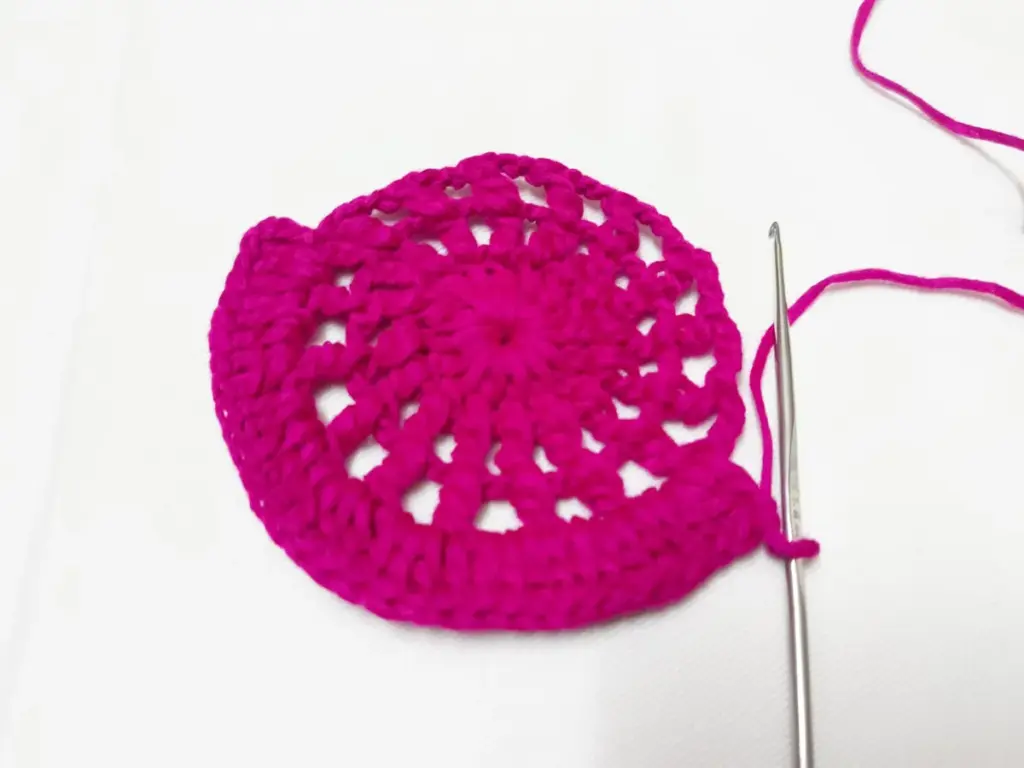
Some crochet coaster ideas incorporate small gaps or decorative openings that create a delicate, airy appearance. These designs are achieved by adding spacing between grouped stitches, which naturally forms a light lattice-like pattern. This approach brings a blend of stability and softness, making the coaster feel both decorative and practical. Because the openings are small and evenly placed, the structure remains strong enough for cups while adding visual interest to the finished piece.
Shaping the Outer Structure
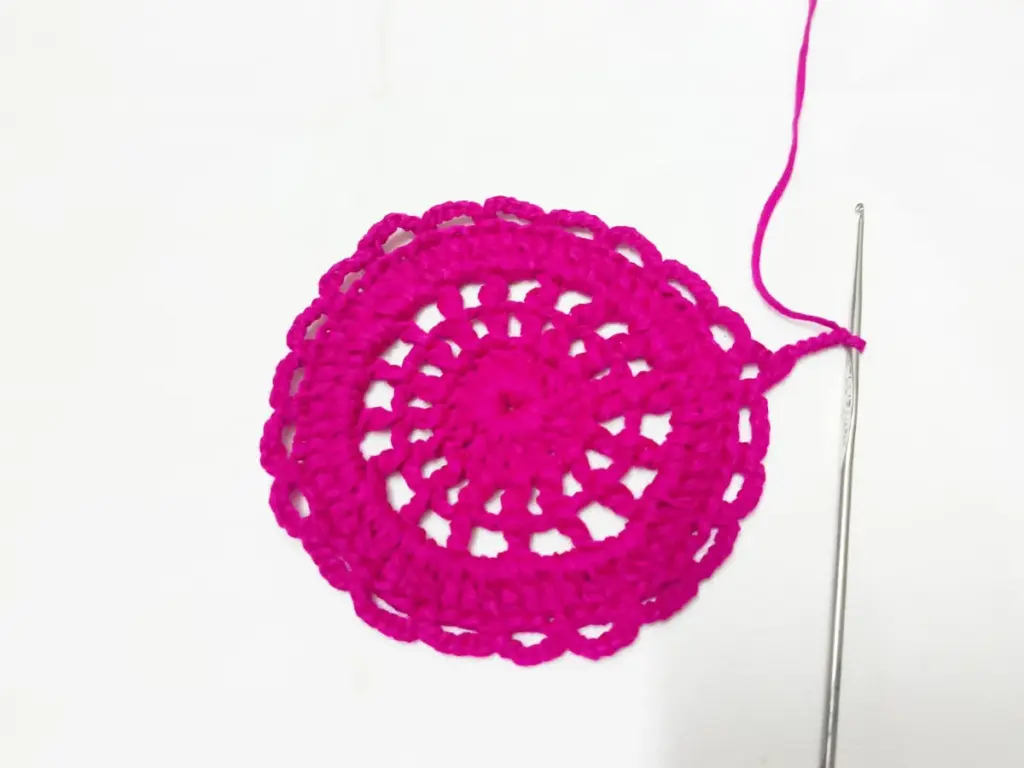
As the coaster grows outward, shaping becomes more intentional. This phase focuses on keeping the circle balanced while adding enough stitch groupings to maintain a steadily expanding edge. Patterns may alternate between compact and open sections to create contrast. At this stage, crafters often experiment with symmetry, spacing, and subtle transitions that help the coaster lay flat. Beginners learn how each layer influences the look and feel of the final design, giving them confidence to try new variations in future projects.
Creating a Decorative Border
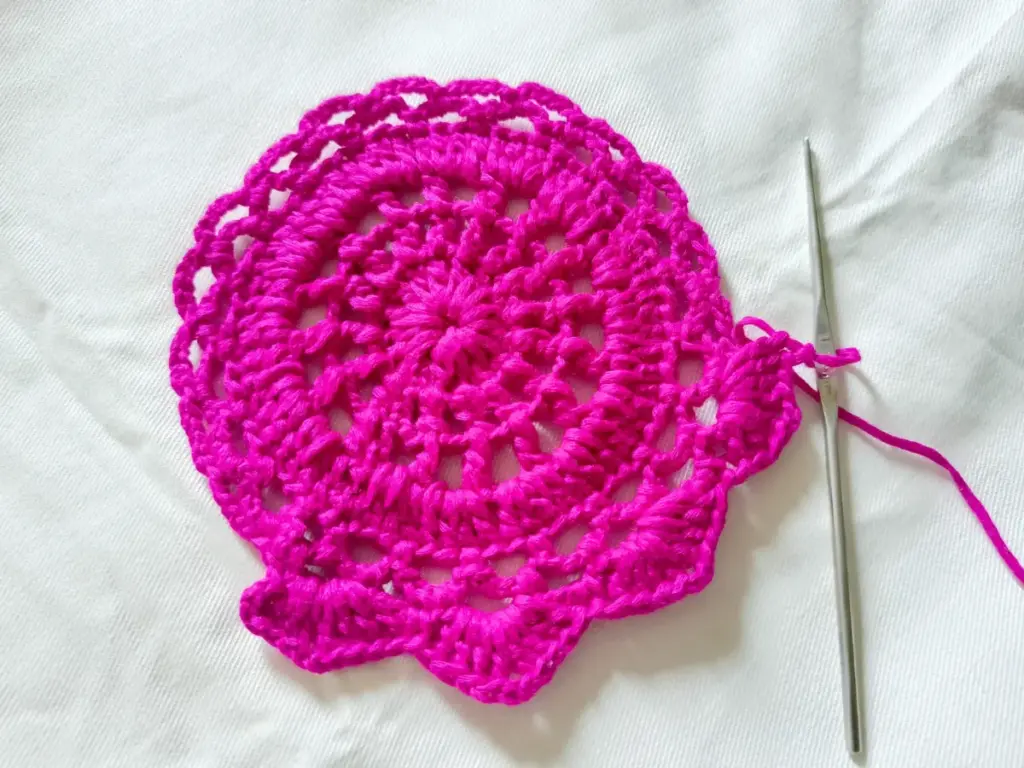
A standout feature of many coasters is the border, which frames the design and gives it a polished finish. Borders can be simple and clean or more ornate, such as scalloped, picot-inspired, or softly rounded edges. These edging styles give the coaster personality and help define its theme—minimalist, floral, vintage, or playful. Even a beginner-friendly border can transform a basic circle into a charming accent piece suitable for gifting or home décor.
Securing and Finishing
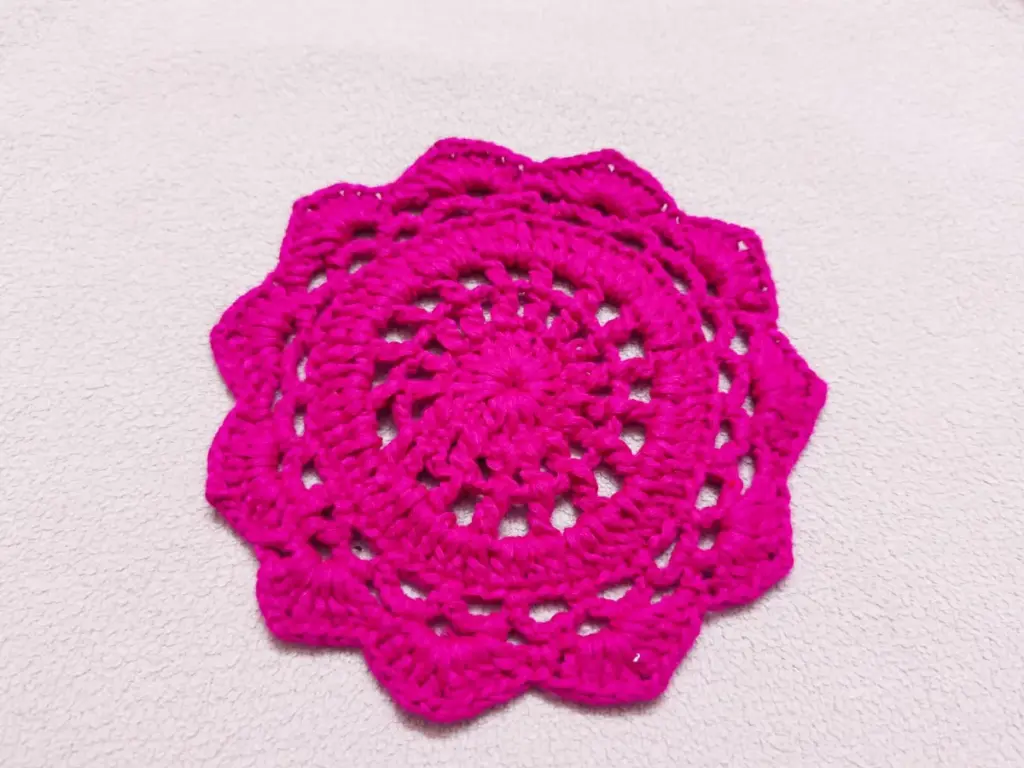
The final step in any coaster project is securing the yarn ends and preparing the piece for use. This stage may seem small, but it is crucial for durability. After the last stitches are completed, a short tail of yarn is woven into the surrounding fabric using a darning needle. This anchors the work, prevents unraveling, and gives the coaster a crisp, tidy appearance. A quick check around the perimeter ensures no loose strands remain, leaving you with a finished piece ready to enjoy.
Final Thoughts
Crochet coasters are an excellent entry point into the world of handmade décor. They adapt easily to different textures, borders, and stitch arrangements, giving every crafter the freedom to develop a unique style. The ideas above illustrate how small variations—from clustered details to openwork sections—can completely transform the look of a round coaster while keeping the project approachable for beginners. With just a small amount of yarn and a little practice, you can create beautiful, functional coasters that bring warmth and personality to any space.