
Crochet dogwood flowers are beautiful small motifs that bring a touch of nature into handmade projects. Inspired by the distinctive four-petal shape of real dogwood blossoms, these crocheted flowers are often used as appliqués, decorative accents, or standalone embellishments. Their soft form and gentle curves make them suitable for blankets, garments, accessories, and seasonal décor.
For beginners, this project is especially rewarding. It introduces color changes, layered shaping, and petal construction in a clear and approachable way. Even though the finished flower looks detailed, the process relies on familiar stitches and a simple structure. Learning how to form and assemble these petals builds confidence and prepares you for more complex floral motifs in future projects.
This guide focuses on the overall flow of creating crochet dogwood flowers rather than exact stitch-by-stitch instructions. You will learn how the center base is formed, how the petals are shaped, and how the finished flower can be used in creative ways.
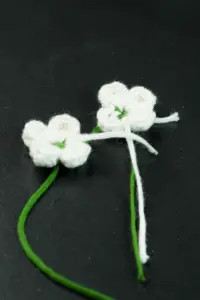
Materials Needed
Based on the tutorial, the following materials are used to crochet dogwood flowers. Choosing yarn with a smooth texture will help define the petal shape and keep the flower looking crisp.
-
Medium weight yarn suitable for decorative projects
-
Crochet hook that matches the yarn recommendation
-
Scissors
-
Yarn or tapestry needle
These tools are enough to create multiple flowers for embellishing a wide range of crochet designs.
Abbreviations
Crochet instructions often rely on abbreviated terms. Becoming familiar with these makes it easier to read patterns and adapt designs. The following abbreviations are written in US terminology and are relevant to this project.
-
ch – chain
-
sc – single crochet
-
dc – double crochet
-
tr – treble crochet
-
sl st – slip stitch
-
mr – magic ring
-
st – stitch
Forming the Flower Base
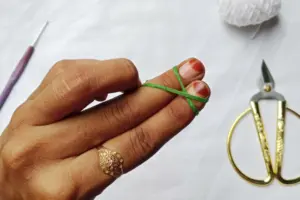
Every crochet dogwood flower begins with a compact circular center that acts as the anchor for all petals. This base is created in a way that keeps the middle of the flower firm and slightly raised, which helps the petals spread evenly around it.
A strong center makes the flower more durable and ensures that the petals stay well-shaped over time. This step establishes the symmetry of the entire motif.
Introducing a Clean Color Transition
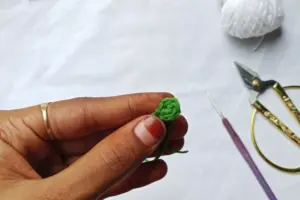
Once the center is complete, a color change is introduced to highlight the petals. This transition creates contrast and defines the structure of the flower clearly.
A neat color change keeps the center visually separated from the petals and prevents the design from looking blended or unclear. This is an important skill for beginners, as clean color changes appear in many crochet projects beyond flowers.
Shaping the First Petal
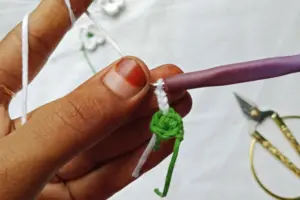
The first petal is formed by building layers of stitches in the same space, creating a soft, rounded shape. This layered approach gives the petal its gentle curve and fullness.
At this stage, the flower begins to take on its recognizable form. Even a single completed petal gives a preview of how the final motif will look.
Repeating the Petal Structure
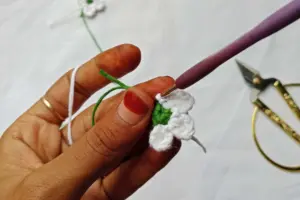
After the first petal is complete, the same shaping method is repeated around the base to form the remaining petals. Each petal is built in a similar way to maintain balance and symmetry.
This repetition helps beginners develop rhythm and confidence. As you work, the flower quickly transforms from a simple base into a detailed decorative piece.
Securing Yarn Tails for Versatile Use
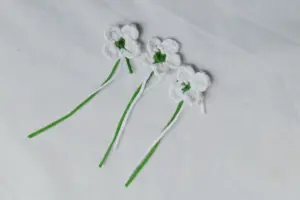
One unique feature of this flower design is that the yarn tails can be left longer for easy attachment to other projects. Alternatively, they can be woven in if you prefer a clean, standalone flower.
Leaving longer tails is especially useful if you plan to sew the flower onto garments, bags, or blankets. It gives you flexibility in how you use your finished motif.
Creative Ways to Use Crochet Dogwood Flowers
Once your crochet dogwood flowers are complete, they can be used in many decorative and practical ways. Their compact shape and soft texture make them ideal as lightweight embellishments that do not weigh down the main project.
Popular uses include:
-
Sewing them onto hats, headbands, and scarves
-
Decorating baby blankets and cardigans
-
Adding floral accents to bags and pouches
-
Creating seasonal wreaths and wall décor
-
Using them as gift toppers or scrapbook embellishments
These flowers can also be grouped together to form larger floral arrangements, adding visual interest to home décor pieces.
Choosing Yarn for Different Looks
The yarn you choose will greatly influence how your dogwood flower appears and feels. Some yarns create soft, flowing petals, while others provide crisp edges and a more defined look.
Below is a helpful reference for selecting yarn based on your project goals.
| Yarn Type | Texture | Visual Result |
|---|---|---|
| Acrylic | Smooth and light | Clean and bright petals |
| Cotton | Firm and structured | Sharp, well-defined edges |
| Bamboo blend | Soft and silky | Gentle, flowing curves |
| Wool blend | Plush and warm | Slightly textured finish |
Trying different yarn types is a great way to experiment with texture and drape.
Care and Maintenance Tips
Crochet dogwood flowers are easy to care for and can last for years when handled gently. Because they are often used as decorative appliqués, light maintenance is usually sufficient.
Simple care tips include:
-
Hand wash gently if needed
-
Avoid wringing or twisting
-
Lay flat to dry
-
Store in a dry place away from direct sunlight
These steps help preserve both the shape and the color of your flowers.
Why This Is a Great Beginner Project
This crochet flower is an excellent beginner project because it introduces key techniques in a manageable way. It teaches shaping, color changes, and repeated motifs while producing a satisfying decorative piece.
Benefits of starting with this project include:
-
Quick completion time
-
Low yarn usage
-
Easy repetition for practice
-
Useful skills for future floral designs
Each flower you make builds confidence and improves stitch consistency.
Summary
Crochet dogwood flowers are charming, versatile motifs that add beauty and personality to handmade projects. With a sturdy center, evenly shaped petals, and clean color transitions, these flowers are both simple to make and visually striking.
